Is My Child Being Bullied? Signs, What to Do, and When to Get Help
By Young Sprouts Therapy
· 18 min read
By Young Sprouts Therapy
Kids rarely walk in the door and say, "I'm being bullied." Most parents piece it together from small changes and a gut feeling that something is off.
That gut feeling is worth trusting. In a 2021 CAMH survey, about 1 in 5 Ontario students said they had been bullied at school[1]. Bullying isn't a normal part of growing up, and it isn't something kids should have to handle on their own.
This guide covers how to tell bullying apart from everyday friendship drama, the signs to watch for at each age, what to say when your child opens up, how to work with the school, and how to tell when bullying has started to affect your child's mental health.
Not every unkind moment is bullying. Kids argue, leave each other out, and say hurtful things, and most of the time they work it out. Knowing the difference helps you respond in the right way.
In Ontario, the Education Act defines bullying as aggressive and typically repeated behaviour by a student that is meant to cause harm, fear, or distress, or that the student should know would cause it, where there is a real or perceived imbalance of power[2]. That includes physical, verbal, social, and online bullying[1].
In plain terms, ask three questions:
| Normal conflict | A mean moment | Bullying | |
|---|---|---|---|
| How often | Comes and goes | Once or twice | Repeated, often getting worse |
| Power | Kids are on equal footing | Usually equal | One child or group has more power |
| Intent | Both want something | Careless or impulsive | Meant to hurt, scare, or exclude |
| Afterward | Both feel upset, then move on | The other child may feel bad | Your child feels afraid, ashamed, or powerless |
| What helps | Coaching your child to solve it | Talking it through | Adult help, at home and at school |
Hitting and name-calling are easy to spot. Social bullying is quieter. It looks like being told "you can't sit here," being left out of the group chat, rumours, mocking posts, or a friend group that suddenly turns on one child.
It leaves no bruises, so it often gets brushed off as drama. But research links bullying victimization to depression, anxiety, and suicidal thoughts[3], and social bullying can hurt just as much as the physical kind. For kids who already feel rejection intensely, it can be especially painful. Our article on rejection sensitive dysphoria in children explains why.
Every child is different, and none of these signs proves bullying on its own. What matters is a change from how your child usually is, especially when several signs show up together.
If your child has started avoiding school, don't wait it out. School refusal tends to get harder to reverse the longer it goes on. Our guide to school refusal and school avoidance walks through what to do.
Many parents find out about bullying weeks or months after it started. That's not a sign your relationship is broken. Kids keep bullying quiet for reasons that make sense to them:
Some children also go quiet under stress instead of acting out. If that sounds like your child, our article on kids who shut down instead of melting down may help.
How you react in the first conversation shapes whether your child keeps talking to you. Here's what helps.
Side-by-side time, like a car ride, a walk, or cooking together, often works better than a sit-down talk. Bedtime is also a common time for kids to open up.
"Who do you sit with at lunch?" or "Is there anyone at school who's being mean lately, to you or anyone else?" is easier to answer than "Are you being bullied?"
Your child is watching your face. If you get very upset, they may decide to protect you by saying less. You can feel angry later, away from them.
Let them tell the whole story. Ask, "What happened next?" and "How did that feel?" before jumping to solutions.
Telling took courage. Make sure they know it's not their fault.
Your child may have strong feelings about how you get involved. You won't always be able to do it their way, especially if they're unsafe, but including them in the plan helps them feel less powerless.
"Thank you for telling me. That was brave, and you don't have to handle this alone."
"Nothing about this is your fault. Nobody deserves to be treated like that."
"I'm not going to do anything without talking to you first, unless I'm worried about your safety."
"I'm not taking your phone away. That's not how this works in our house."
"What would feel better? What would you want to be different at school?"
Ontario has clear rules about how publicly funded schools must handle bullying. Knowing them helps you ask for the right things and follow up with confidence.
Before you contact the school, start a simple log. For each incident, note the date, what happened, who was involved, where it happened, and anyone who saw it. Save screenshots of anything online, with dates and usernames visible. Keep a list of who you contact at the school and what they said.
A clear record makes the school's investigation easier and makes it much harder for concerns to fall through the cracks[4].
For most situations, start with your child's teacher, or another staff member your child trusts. If the bullying is serious, involves a threat, or has already been reported without results, go directly to the principal or vice-principal[1].
Under Ontario's rules:
When you meet with the principal, come with a few specific goals[4]. You might ask:
After each meeting, send a short email summarizing what was agreed. Check in with your child and the school regularly. It's normal to keep monitoring for a few months, not just a few days[4].
If meetings with the school haven't stopped the bullying, you can contact the superintendent for your school or the superintendent responsible for safe schools at your board[1]. Every board must have a process for parents who aren't satisfied with how bullying was handled[2].
If the board's own process doesn't resolve it, the Ontario Ombudsman can take complaints about school boards, including their responses to bullying. The Ombudsman will usually ask you to go through the board's complaint process first, and it can't overturn board decisions, but it can look into whether the process worked the way it should[5].
Some situations go beyond school discipline. Contact police if bullying involves sexual assault, a hate-motivated incident, sextortion, weapons, or threats to your child's safety[1]. In York Region, call 9-1-1 in an emergency, or York Regional Police's non-emergency line at 1-866-876-5423.
Ontario's anti-bullying rules apply to publicly funded schools, which in York Region includes both the York Region District School Board and the York Catholic District School Board.
Private schools are different. There is no specific Ontario bullying legislation for private schools[4]. If your child attends a private or independent school, ask for the school's written bullying policy and code of conduct, and use those as your guide in meetings. Many Thornhill and Vaughan families attend private and faith-based schools, so this is worth knowing before a problem comes up.
Bullying Awareness and Prevention Week starts on the third Sunday of November every year in Ontario[1]. In 2026, it runs November 15 to 21. It's a good time to ask your child's school about its bullying prevention plan. Every school board must give parents access to its approach to bullying prevention, how to report it, and how to raise a complaint[1].

For many kids, bullying doesn't end at the school doors. It follows them home on their phones, into group chats, gaming platforms, and social media, often late at night.
A large review of studies found that children and young people who were cyberbullied were more than twice as likely to self-harm and to have suicidal thoughts or behaviours as those who weren't[6]. Online bullying deserves the same seriousness as anything that happens in person.
If your child is being bullied online:
This is a crime, not a school discipline issue. Tell your teen they are not in trouble. Don't pay or send anything more, stop all contact, save the evidence, and contact police[1]. You can also report to Cybertip.ca, Canada's national tipline for online sexual exploitation of children[7]. NeedHelpNow.ca gives teens step-by-step guidance when intimate images have been shared without consent, or when someone is threatening to share them[8].
For more on phones and school, see our guide to social media, teen mental health, and Ontario's school cellphone rules.
Bullying hurts in the moment, but for some kids the impact lasts much longer.
A major review of 165 studies found strong evidence that being bullied causes mental health problems, including depression, anxiety, and suicidal thoughts and behaviours, with convincing evidence for self-harm and suicide attempts as well[3]. A U.S. study that followed 1,420 children into their mid-twenties found that kids who were bullied had about four times the rate of anxiety disorders as adults, including generalized anxiety and panic disorder[9].
The same study found that kids who were both bullied and bullied others had the highest risk of all, including much higher rates of depression and suicidal thinking as adults[9]. Children caught in both roles need extra support, not just consequences.
The good news is that support works. A review of 100 school program evaluations found that anti-bullying programs reduce both bullying and being bullied[10]. When home, school, and, if needed, a therapist work together, kids recover.
Here's a simple way to think about what your child needs.
If you're worried about your child's safety right now, call or text 9-8-8 (Canada's Suicide Crisis Helpline, available 24/7) or call 9-1-1. Kids and teens can also reach Kids Help Phone at 1-800-668-6868 or by texting CONNECT to 686868[1].
Finding out your child has bullied someone is hard. Many parents feel embarrassed, defensive, or shocked. Those reactions are normal. What matters is what you do next.
Kids who bully aren't "bad kids." There's usually something underneath: trouble managing anger, struggles with empathy or impulse control, a big change at home, being bullied themselves, or exposure to aggression somewhere else[1]. Research also shows that kids who bully are at higher risk of their own mental health problems later on[9].
What helps:
Bullying can leave kids with anxiety, low self-worth, and a deep sense that the world isn't safe. Therapy helps them make sense of what happened and rebuild their confidence. At Young Sprouts Therapy, we tailor the approach to your child's age and personality.
CBT helps kids notice and challenge the harsh thoughts bullying leaves behind, like "Something is wrong with me." It also helps them gradually face places that have started to feel scary, like the lunchroom or the bus. Learn more about our anxiety therapy and depression therapy for kids and teens.
Many bullied kids freeze in the moment. In session, therapists role-play real situations so kids can practise confident body language, short comebacks, walking away, and asking for help.
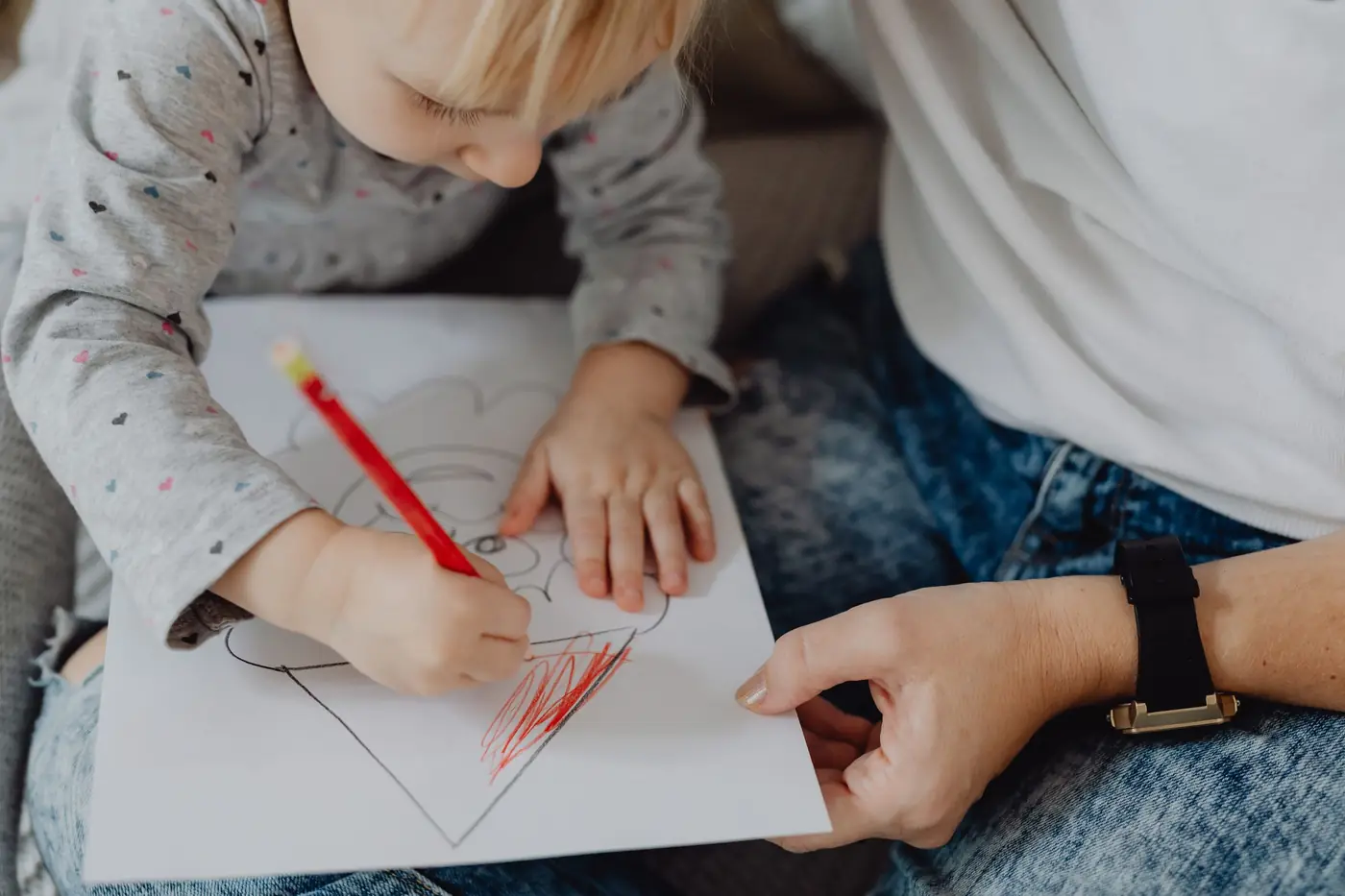
Younger children, and kids who struggle to talk about painful experiences, can often show what happened before they can say it. In art therapy, a child might draw the lunchroom, make a comic about a hard day, or create a "shield" of their strengths. Nadine, a Registered Psychotherapist (Qualifying) and Art Therapist at Young Sprouts, uses a child-centred, trauma-informed approach. For younger kids, play therapy works in a similar way through toys, puppets, and stories. If your child's drawings have started to worry you, our article on what an art therapist looks for in children's drawings may help.
Bullying often leaves kids isolated. Our group therapy programs for kids (ages 8 to 12) and teens (ages 13 to 17) give them a safe place to practise social skills and build confidence with peers. When a group isn't running, you can join the waitlist. You can also read about social skills support for kids in Vaughan.
If your child was physically hurt, threatened, or targeted over a long period, they may show trauma symptoms like nightmares, jumpiness, or avoiding anything that reminds them of it. Our trauma therapy can help.
Watching your child get hurt is painful, and it's hard to know when to step in and when to step back. Parent coaching gives you a plan, and family therapy can help when bullying has created stress for everyone at home.
We offer therapy for children and teens at our Thornhill office and online across Ontario. If your teen isn't open to the idea, our guide on what to do when your teen refuses therapy can help.
Conflict is a disagreement between kids on fairly equal footing, and both usually have a say in how it ends. Bullying is aggressive behaviour that is typically repeated and involves a real or perceived power imbalance, so the child on the receiving end can't easily make it stop. That imbalance can come from age, size, popularity, a group ganging up, or something like a secret or photo being held over them.
Common signs include stomach aches or headaches on school days, not wanting to go to school, avoiding recess or the bus, lost or damaged belongings, a sudden change in friends, being upset after using their phone, trouble sleeping, dropping grades, and putting themselves down. Teens may withdraw, quit activities, or show changes in mood that last more than a couple of weeks. A change from your child's usual self, especially several signs together, is worth a gentle conversation.
Stay calm, listen, and reassure your child it isn't their fault. Write down what happened, with dates and screenshots if it's online. Contact the teacher or principal, and ask for a safety plan with specific steps and a follow-up date. Follow up in writing. If the bullying continues, you can contact the superintendent responsible for safe schools at your board.
Yes. At publicly funded schools in Ontario, the principal must contact the parents of both the student who was bullied and the student who did the bullying. They should explain what happened, the harm caused, the steps taken to protect the student, and the supports available. To protect privacy, there may be details about the other student the school can't share.
Yes. In Ontario, principals must respond to bullying that happens off school property or online when it affects the school climate. If cyberbullying involves sexual images, sextortion, or threats, contact police, and you can also report to Cybertip.ca.
Consider booking a consultation if your child has been anxious, sad, or angry most days for two weeks or more, is avoiding school or friends, has changes in sleep or appetite, or hasn't bounced back even after the bullying stopped. If your child talks about wanting to die or hurting themselves, get help right away by calling or texting 9-8-8 or calling 9-1-1.
Stay calm, get the facts, and name the behaviour clearly without labelling your child as bad. Help them understand how it affected the other child and find a way to make it right. Look for what's driving the behaviour, such as anger, anxiety, social struggles, or being bullied themselves. If it keeps happening, counselling can help your child learn better ways to handle conflict and big feelings.
Yes. Young Sprouts Therapy supports children, teens, and families affected by bullying at our Thornhill office, serving families across Vaughan, Richmond Hill, Markham, and North York. We also offer online therapy across Ontario. Our team uses approaches like CBT, art therapy, play therapy, and group therapy, and offers parent coaching and family therapy. Services are provided by Registered Psychotherapists and Registered Social Workers, which many extended health plans cover.
Bullying can make a child feel small, powerless, and alone. One of the most protective things a child can have is an adult who believes them and keeps showing up. By reading this, you're already doing that.
If you're worried about how bullying is affecting your child, or you just want help figuring out what to do next, we're here.
Book a free 15-minute consultation or learn more about therapy for children and therapy for teens in Vaughan and Thornhill.
This article is for general information only and is not a substitute for professional advice, diagnosis, or treatment. If you're worried about your child's safety, call or text 9-8-8 or call 9-1-1.