Is My Child's Grief Normal? A Therapist's Guide for Ontario Parents
By Young Sprouts Therapy
· 16 min read


By Young Sprouts Therapy
You might be wondering if this is normal. If your kids are grieving "the right way." If you should be doing something more.
Here's the reassuring part. Most children grieve in ways that look strange to adults, and most of them move through grief with steady, loving support at home. The harder part is knowing when your child's grief has stopped moving and started to get stuck.
This guide covers how children grieve at different ages, what's normal (even when it looks odd), the signs that grief needs more support, and how therapy can help, including the art, play, and music therapy we offer at Young Sprouts Therapy in Thornhill and Vaughan.
Adults tend to grieve in long stretches. Children usually grieve in bursts.
A child can sob about their grandmother one minute and ask what's for dinner the next. Some grief counsellors call this "puddle jumping." Kids step into a puddle of grief, then jump back out to play. It doesn't mean they didn't love the person. It's how a young nervous system protects itself from feeling more than it can hold at once.
A few other things make childhood grief different:
Kids grieve again as they grow. A child who loses a parent at five will often grieve that loss again at nine, at thirteen, and at graduation, each time with a more grown-up understanding of what they lost. The American Academy of Pediatrics notes that children don't simply "get over" a loss in a few months or even a year. They carry it and make sense of it over time.[1]
Behaviour is the language. Many children don't have words for grief yet. It shows up as stomach aches, meltdowns, clinginess, trouble sleeping, or a sudden drop in focus at school.
They take their cues from you. Children watch how the adults around them handle loss. If grief is never mentioned at home, many kids decide it's not safe to bring up.
Some kids hide it. The AAP also points out that older children may mask their grief, so a calm, "fine" child is not always a child who is coping well.[1] If your child tends to go quiet under stress, our guide to kids who shut down instead of melting down may help.
Every child is different, and age is only a rough guide. Still, knowing what your child can understand at each stage makes their reactions much easier to read.
What they understand: Very young children don't yet understand that death is permanent. They may ask when Grandpa is coming back, even after you've explained it several times.
What grief can look like: Clinginess, more tantrums, changes in sleep or eating, and going backwards on skills they had mastered, like toilet training or sleeping alone. They may also play out the death or funeral with toys.
What helps: Short, simple, concrete answers. Keep routines as predictable as you can. Expect to answer the same questions many times. That repetition is how they learn.
"Grandpa died. His body stopped working, and it can't start again. That means we won't see him anymore. We're sad, and we're going to take care of each other."
What they understand: Somewhere in this range, many children begin to understand that death is permanent and happens to everyone. That new understanding can bring a wave of worry about who else might die, including you.
What grief can look like: Lots of questions, sometimes very blunt ones ("Is her body in the box?"). Worry about other family members dying. Magical thinking, where a child believes something they said or did caused the death. Stomach aches and headaches are common.
What helps: Honest answers to their questions, even the uncomfortable ones. Say clearly that nothing they thought, said, or did caused the death. Reassure them about who will take care of them.
"Some kids wonder if they made this happen. I want you to know for sure: nothing you thought or said made Auntie die. She died because she was very sick."
What they understand: Tweens understand death much like adults do. They often want facts: how the person died, what happens next, what will change for the family.
What grief can look like: Anger, irritability, trouble concentrating, a drop in schoolwork, or acting "too grown up" and trying to take care of everyone else. Some tweens worry about seeming different from their friends.
What helps: Give them real information and a role, like choosing a photo for the memorial or helping plan a tradition. Let them know it's okay to step back from being "the helper."
What they understand: Teens understand death fully and often think about big questions like fairness, meaning, and their own mortality.
What grief can look like: Pulling away from family and leaning on friends. Spending more time alone, often online or with music. Big swings between seeming fine and seeming very low. Some teens take more risks, use substances, or shut down at school.
What helps: Stay available without pushing. Side-by-side moments, like car rides, cooking together, or walking the dog, often work better than face-to-face talks. Let them grieve in their own way, and keep an eye on mood, sleep, and safety.
If you're not sure whether your teen's withdrawal is grief or something more, our guide on teen depression vs. normal teen behaviour walks through the differences.

Many of the things that worry parents most are actually common, healthy parts of childhood grief. These are all within the range of normal:
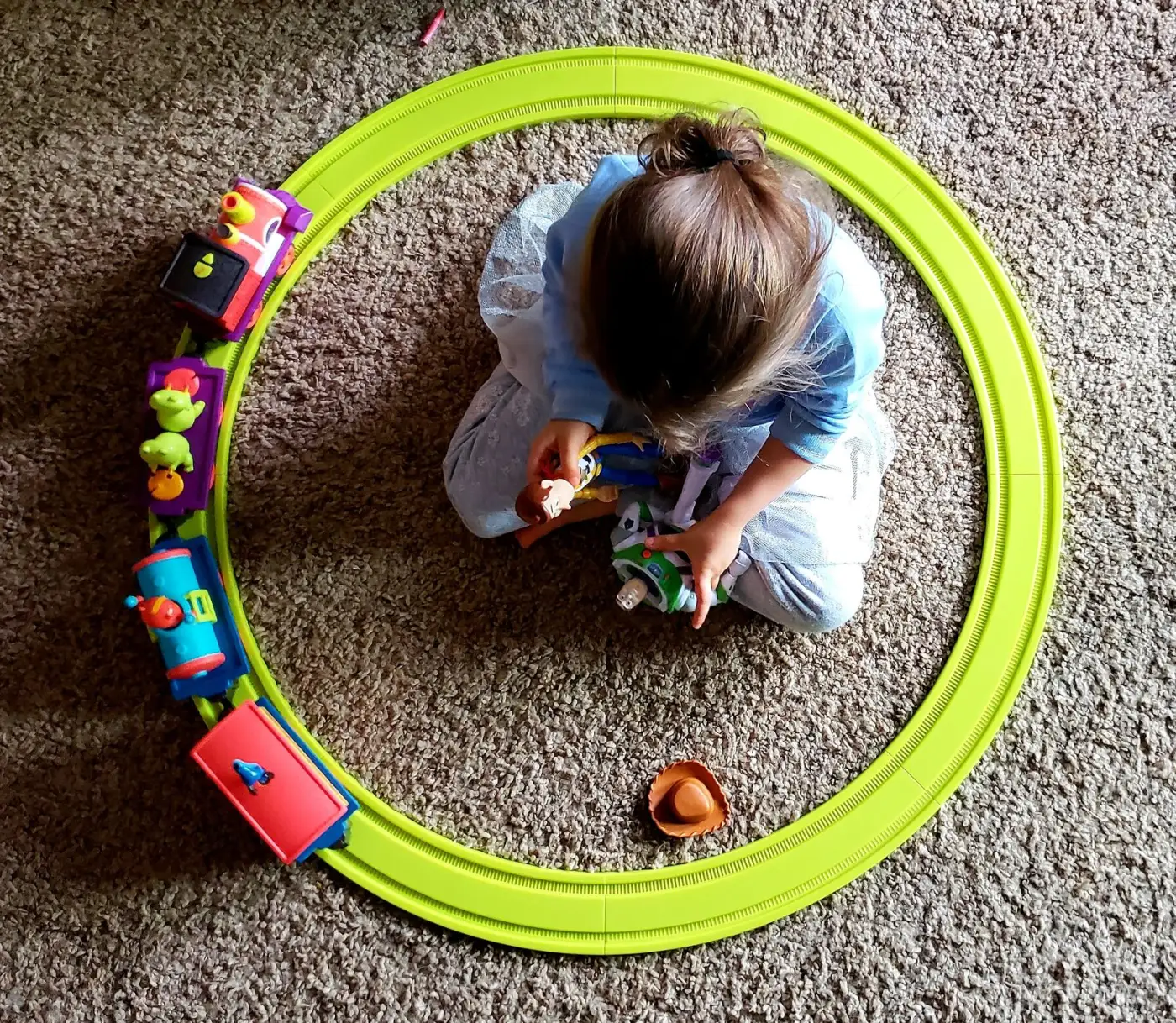
Play is one of the main ways children make sense of hard experiences. A child acting out a funeral with stuffed animals is usually not a red flag. It's grief work. The same is true for art. Our article on what to make of your child's drawings explains why dark or sad drawings are often a healthy outlet.
There's no stopwatch for grief. What matters most is the direction things are heading and how much grief is getting in the way of your child's daily life.
| Usually normal | Worth a closer look |
|---|---|
| Grief comes in waves, with good days in between | Intense grief nearly every day with little or no relief, many months after the loss |
| Sadness around birthdays, holidays, and anniversaries | Can't enjoy anything, even favourite activities, for weeks at a time |
| Temporary regression (bedwetting, clinginess) | Regression that keeps getting worse or doesn't ease over time |
| Questions about death and what happens next | Constant preoccupation with how the person died, or with joining them |
| Some trouble focusing at school for a while | School refusal, falling far behind, or pulling away from all friends |
| Talking about missing the person | Blaming themselves and not letting go of that belief |
| Avoiding a few painful reminders | Avoiding anything connected to the person, or refusing to believe they died |
| Feeling angry or irritable at times | Ongoing aggression, risky behaviour, or substance use |
If several items in the right-hand column sound familiar, that doesn't mean something is wrong with your child. It means their grief may need more support than one family can give alone, and that's okay.
For most kids, grief softens over time. For some, it stays intense and starts to block their development.
In March 2022, the American Psychiatric Association added prolonged grief disorder to the DSM-5-TR, the manual clinicians use to diagnose mental health conditions.[2] One detail matters a lot for parents. For adults, the loss must have happened at least 12 months ago. For children and teens, the threshold is 6 months.[2] Experts recommended the shorter window for young people because the most severe grief reactions tend to show up early, and getting kids help sooner protects their development.[3]
According to the APA, symptoms include intense longing for the person, preoccupation with them, feeling like part of yourself has died, disbelief about the death, avoiding reminders, intense emotional pain, emotional numbness, feeling that life is meaningless, intense loneliness, and difficulty re-engaging with friends and interests.[2] To meet the criteria, these need to be present nearly every day for at least the past month.[3]
In children, these signs often look different than they do in adults. Child grief researchers describe things like:
How common is this? In a well-known study of 182 children and teens aged 7 to 18 whose parent died suddenly, researchers followed the kids for close to three years. About 59% had grief that eased steadily. About 31% had grief that peaked later, around nine months, and then gradually declined. About 10% had grief that stayed high the entire time, and those kids were more likely to struggle with depression and day-to-day functioning.[4]
Two takeaways from that research are useful for parents. First, grief that gets worse before it gets better is common and doesn't automatically mean something is wrong. Second, the surviving parent's own grief mattered. Children were more likely to develop depression when their parent was also struggling with intense, prolonged grief.[4] Getting support for yourself is part of supporting your child.
Only a qualified clinician can assess prolonged grief disorder. If your child's grief still feels as intense six months or more after the loss and it's affecting school, friendships, or sleep, that's a good time to talk to a professional.
Young children sometimes say they want to die so they can be with the person who died. Grief experts explain that in young kids this is often a wish to be reunited, not a wish to end their life.[3] Teens, however, can have suicidal thoughts the same way adults do.[3]
At any age, take these statements seriously. Stay calm, ask gently what they mean, and talk to a mental health professional. If you're worried about your child's safety right now, call or text 9-8-8 (Canada's Suicide Crisis Helpline, available 24/7) or call 9-1-1.
Children can grieve many kinds of loss, and these losses deserve the same patience:
These losses often get less attention because "nobody died." But the feelings and reactions can look very similar, and the same supports help.
You don't need perfect words. Kids need honesty, steadiness, and permission to feel what they feel. Here's what helps most:
1. Use clear, real words. Say "died" and "dead," not "went to sleep," "passed on," or "we lost him." Young children take words literally. "Went to sleep" can make bedtime frightening, and "we lost him" can make them wonder why nobody is looking.
2. Tell the truth at their level. Children usually sense when something is being hidden, and they fill the gap with their own, often scarier, ideas. Give simple, honest facts and let their questions guide how much more you share.
3. Keep routines steady. School, meals, bedtime, and activities give kids a sense that the world still works. Some flexibility is fine. Predictability is calming.
4. Let them see you grieve. Crying in front of your child, and then showing them how you take care of yourself, teaches them that grief is survivable. You might say, "I'm sad because I miss Grandpa. Crying helps me let the sadness out. I'll be okay."
5. Make room for questions, any time. Grief questions often pop up at random times, like in the car or the bath. Short answers in the moment are fine. You can always say, "That's a big question. Let me think, and we'll talk about it after dinner."
6. Offer choices about the funeral or memorial. Let your child decide whether to attend, after you've explained what they'll see and hear. Have a trusted adult ready to step out with them if they need a break.
7. Create ways to remember. A memory box, a photo album, a special candle, cooking the person's favourite recipe, or planting something together gives grief somewhere to go.
8. Look after your own grief. You can't pour from an empty cup, and as the research above shows, your wellbeing directly affects your child's. Lean on friends, family, a support group, or a therapist.
"There's no wrong way to feel about this."
"You can ask me anything, even if it's hard."
"I don't know, but I'll try to find out."
"It's okay to have fun. Grandma would want you to play."
"I miss her too. Want to tell me a favourite memory?"
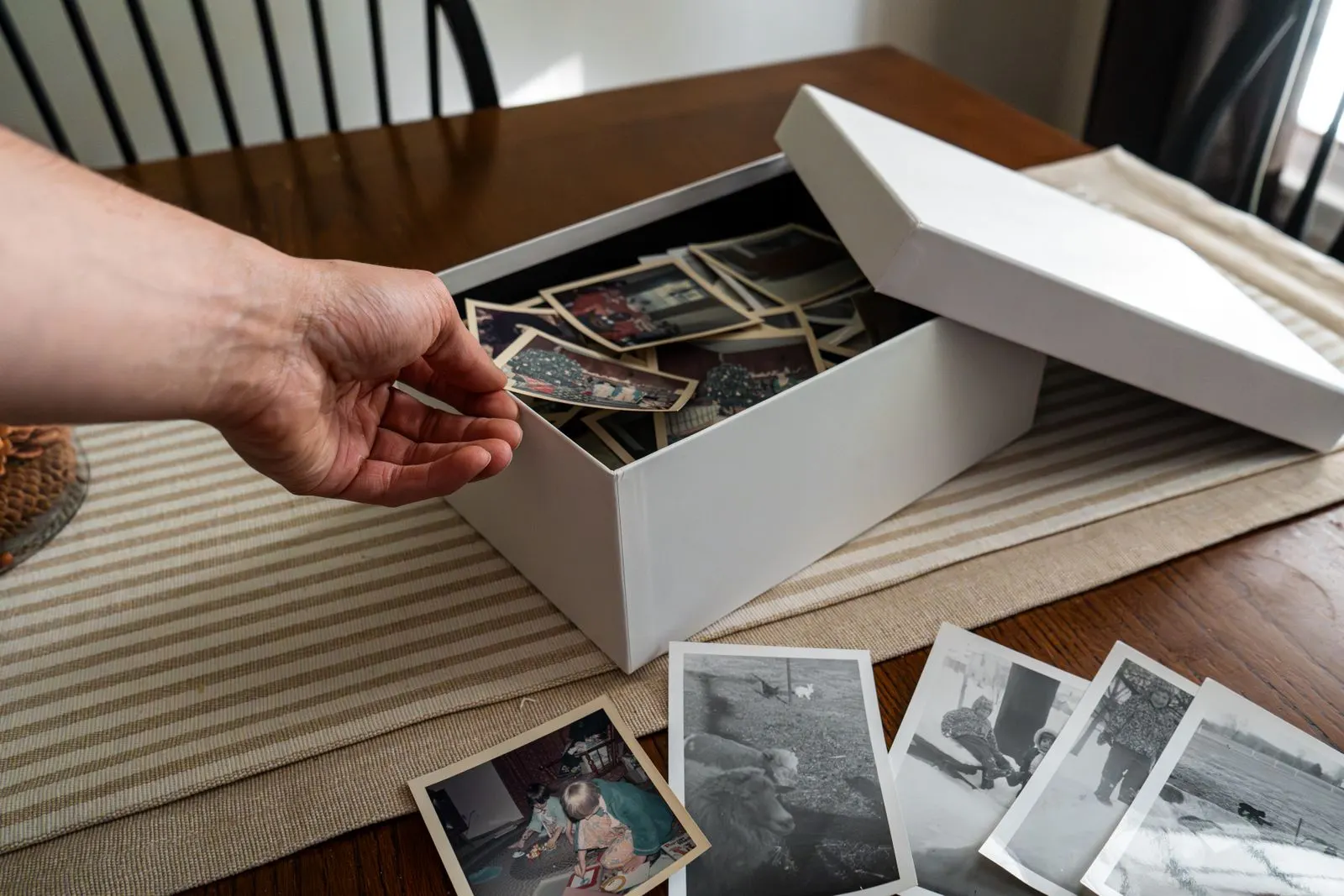
The first round of holidays, birthdays, and anniversaries after a death is often the hardest. Whether your family celebrates Hanukkah, Christmas, Diwali, Eid, Lunar New Year, or all of the above, the empty seat at the table can hit kids hard, sometimes when you least expect it.
A few things help:
Plan together. Ask your kids which traditions they want to keep, which they'd like to change, and whether they'd like to add something new to honour the person. Kids cope better when they have a say.
Make space for the person. Light a candle, hang a special ornament, set out a photo, or go around the table sharing a favourite memory. Saying their name out loud tells kids it's okay to remember.
Give everyone an exit plan. Big gatherings can be overwhelming. Agree on a quiet room, a signal, or a walk outside if your child needs a break.
Expect mixed feelings. Your child might be joyful one minute and in tears the next. Both are normal, and neither is disloyal.
Watch for other reminders. Mother's Day and Father's Day crafts at school, "Grandparents Day" events, and family tree projects can catch a grieving child off guard. A quick heads-up to the teacher can prevent a painful surprise.
"This is our first Hanukkah without Zaidy. It might feel happy and sad at the same time, and both are okay. What's one thing we should do this year to remember him?"

Children spend most of their waking hours at school, so their teachers need to know what's happening. With your child's input, share:
It's also worth asking whether a guidance counsellor, child and youth worker, or school social worker can check in with your child regularly. If your child starts avoiding school altogether, don't wait it out. Early support makes a real difference.
Many children can't simply sit down and talk about grief. That's why the most helpful grief support for kids often works through creativity and play, not just conversation.
Research supports getting help. A meta-analysis of 27 studies on grief interventions for children and teens found small to moderate benefits overall, with larger benefits for kids who were already struggling with symptoms. Music therapy and trauma- and grief-focused approaches were among the most promising.[5]
At Young Sprouts Therapy, our grief therapy for children and teens draws on several approaches, depending on your child's age and personality.
Art gives children a way to express what they can't yet put into words. In art therapy, a child might draw the story of what happened, make a memory book, paint feelings that feel too big to talk about, or create something to honour the person who died.
Nadine, a Registered Psychotherapist (Qualifying) and Art Therapist at Young Sprouts, supports children, teens, and families through grief and life transitions. She uses a child-centred, trauma-informed, attachment-based approach. Learn more about art therapy for kids and teens in Vaughan and Thornhill.

For younger children, play is how they process experiences. In play therapy, a trained therapist uses toys, puppets, sand trays, and stories to help a child act out and work through their feelings about the loss. It also helps correct misunderstandings, like a child believing they caused the death.
Music can reach kids who shut down when asked to talk. In music therapy, children and teens might write a song about the person who died, build a memory playlist, or use rhythm and sound to release feelings safely.
Gretchen, our music therapist (MTA, MT-BC, Registered Psychotherapist (Qualifying)), includes grief and bereavement among her areas of support. Learn more about music therapy for kids and teens.
Older kids often benefit from talk-based approaches like cognitive behavioural therapy and emotion-focused therapy, which help them make sense of the loss, manage painful thoughts, and reconnect with friends and goals. See our teen therapy and child therapy services.
Grief affects everyone in the family. Family therapy can help a family talk about the loss together, and parent coaching can give you a plan for supporting your child while you're grieving too.
Consider booking a consultation if:
You don't need to wait for a crisis. Many families come in simply because they want a guide through a hard season.
Alongside therapy, these free resources can help:
There's no set timeline. Most children's grief gradually softens over months, with harder days around holidays and anniversaries. Children also tend to revisit grief as they grow and understand the loss in new ways. If intense grief continues nearly every day for 6 months or more and gets in the way of school, friendships, or sleep, it's a good idea to speak with a therapist.
Yes. Many children don't cry right away, and some rarely cry at all. Kids often grieve in short bursts and express grief through play, behaviour, or body complaints instead of tears. A lack of crying is not a sign that your child didn't care or isn't grieving.
In most cases, children can attend if they want to and have been prepared. Explain what they'll see and hear, let them choose, and have a trusted adult ready to step out with them. Attending can help children understand the death is real and feel included in the family's grief.
Prolonged grief disorder is a diagnosis added to the DSM-5-TR in 2022. It describes grief that stays intense and disruptive long after a loss. For children and teens, the loss must have happened at least 6 months ago, compared with 12 months for adults. Signs include intense longing, preoccupation with the person or how they died, emotional numbness, and difficulty returning to normal activities. Only a qualified clinician can diagnose it.
Children under 5 usually don't understand that death is permanent. Many children begin to understand that death is final and happens to everyone sometime in the early school years. Tweens and teens understand death much like adults do, though they may still struggle to express their grief.
It depends on your child's age and personality. Younger children often do well with play therapy or art therapy, because they can express feelings without needing words. Music therapy can help kids who shut down in talk-based sessions. Tweens and teens often benefit from talk therapy like CBT or emotion-focused therapy. Family therapy and parent coaching can support the whole household.
Yes. Young Sprouts Therapy offers grief therapy for children, teens, and families at our Thornhill office, serving families across Vaughan, Richmond Hill, Markham, and North York. We also offer online therapy across Ontario. Our team includes therapists trained in art therapy, play therapy, and music therapy. Services are provided by Registered Psychotherapists and Registered Social Workers, which many extended health plans cover.
Grief isn't a problem to solve. It's a sign of how much your child loved someone. Your job isn't to make the sadness go away. It's to make sure your child doesn't have to carry it alone.
If something about your child's grief is sitting with you, or you're simply not sure what to do next, we're here to help you sort it out.
Book a free 15-minute consultation or learn more about grief therapy for kids and teens in Vaughan and Thornhill.
This article is for general information only and is not a substitute for professional advice, diagnosis, or treatment. If you're worried about your child's safety, call or text 9-8-8 or call 9-1-1.