
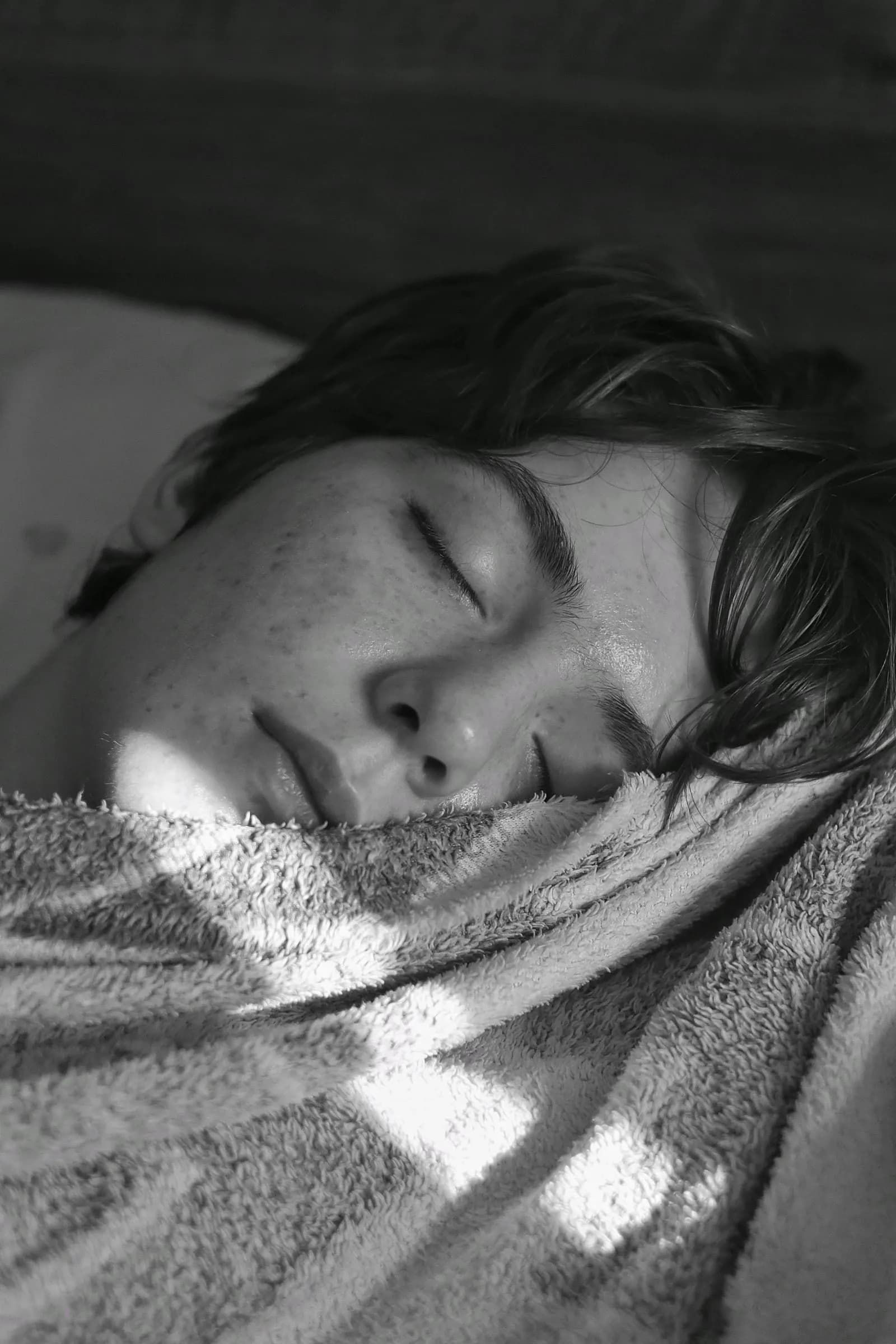
It starts around the time the clocks go back. Your teen, who was fine in September, now sleeps through two alarms, snaps at everyone at dinner, and disappears into their room the minute they get home. Their friends text and they don't answer. The Term 1 marks come home lower than expected, and when you ask what's wrong, you get a shrug.
You might be telling yourself it's just being a teenager. Or just winter. Sometimes it is. But for some teens, this yearly slump is seasonal depression, also called seasonal affective disorder (SAD). It's real, it's common, and it responds well to treatment.
This article walks you through how to tell the difference, why teens are especially vulnerable, what you can do at home starting this week, and when it's time to bring in help.
Can teenagers get seasonal depression?
Yes. Seasonal affective disorder isn't only an adult problem.
In one large study of more than 1,800 students aged 9 to 19, researchers estimated that between 1.7% and 5.5% of children and teens may have SAD. Rates went up with age, and they were highest among girls who had gone through puberty.[1] In a typical high school, that works out to several kids in every grade.
SAD is not a separate illness from depression. It's depression that follows a seasonal pattern: it shows up around the same time each year (usually late fall), lasts through the winter, and lifts in the spring. Clinicians usually look for that pattern to repeat for at least two years before calling it seasonal.
That's why the first question we ask parents is simple: did this happen last winter too?
Why November hits Ontario teens so hard
Most articles about SAD are written for places with very different winters. Here in York Region, the drop in daylight is sudden, and the school calendar makes it worse.
Look at what happens to daylight in Thornhill:
- On Halloween, the sun sets around 6:09 pm.
- The next day, November 1, the clocks fall back and sunset jumps to about 5:07 pm. Overnight, your teen loses an hour of after-school daylight.
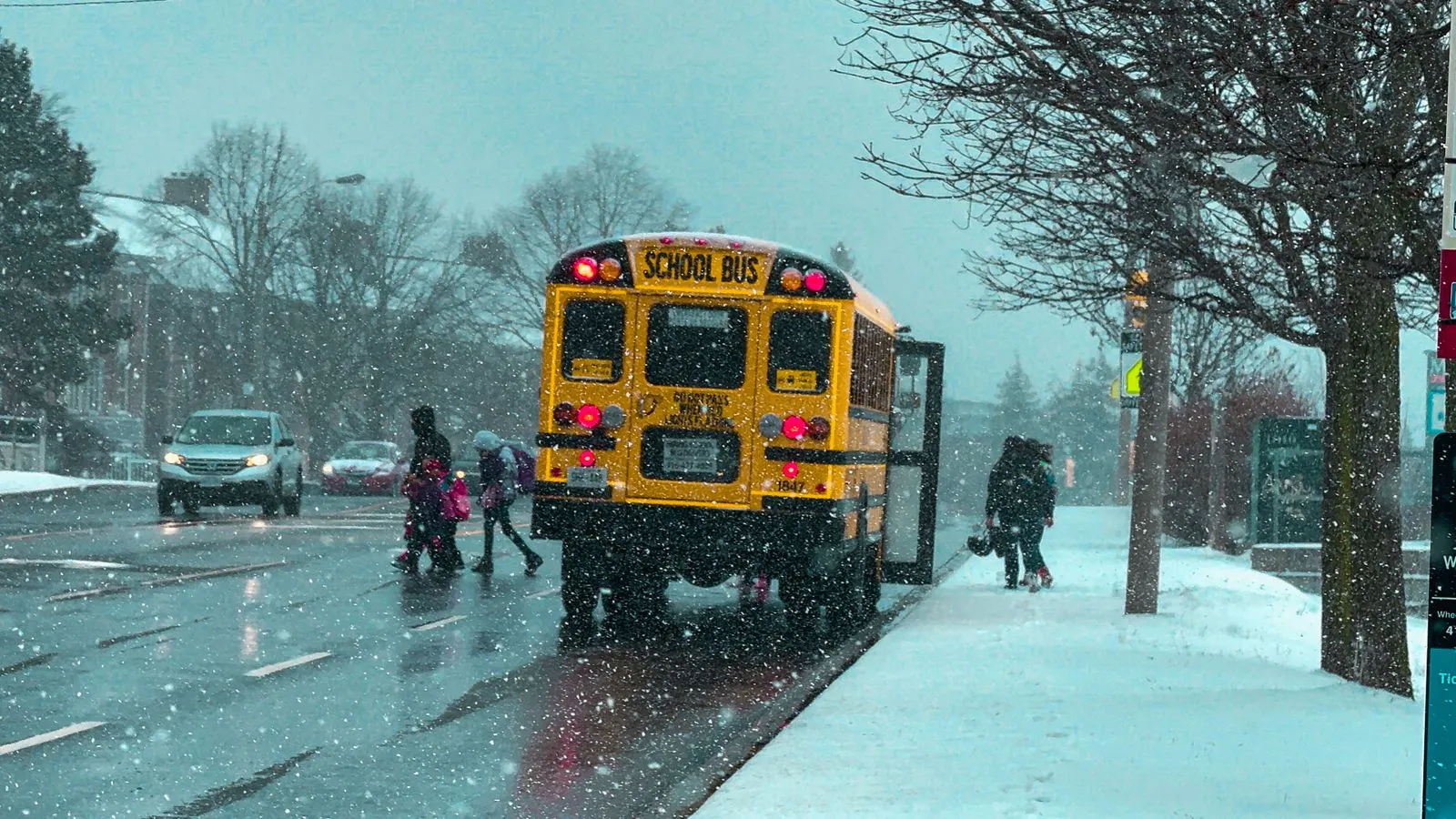
- By early December, the sun is down by about 4:40 pm. Most teens are still at school, practice, or on the bus.
- On the shortest day of the year, there are under 9 hours of daylight, compared with about 15.5 hours in June.
- Through late December and January, sunrise isn't until about 7:45 am, so many teens leave for school in the dark.
Now layer on the Ontario school year. Progress reports and Term 1 pressure land in November. In January, many high school students face final assessments and exams for the first semester. The toughest academic stretch of the year lines up almost exactly with the darkest weeks.
For a teen who is already vulnerable, that combination can tip a normal winter dip into something much heavier.
What seasonal depression looks like in a teen
Parents often expect depression to look like sadness and crying. In teens, especially with SAD, it more often looks like this:
- They snap more easily than usual. Short fuse, eye-rolling, arguments over small things. In the study above, teens with SAD stood out for feeling their most irritable and having their least energy during the winter months.[1]
- Sleep balloons and still isn't enough. Hard to wake, naps after school, still tired after 10 hours.
- They pull away from people. Hangouts get skipped, group chats go unanswered, and the team or club they used to love gets dropped.
- Carb and sweet cravings pick up, often with late-night snacking.
- School starts to slip. Trouble concentrating, missed assignments, "I just can't focus."
- Things that used to be fun stop mattering. "Nothing matters" or "what's the point."
- Their body feels heavy. They move slowly and describe themselves as tired or weighed down.
The most useful clue isn't any one symptom. It's the timing. If you look back and notice the same slump started in October or November last year and lifted around March or April, pay attention.
One thing that helps is scrolling back through photos, texts, or report cards from last year. When did your teen stop going out? When did the arguing start? When did grades dip? When did they seem like themselves again? A pattern often jumps out when you see it on paper.
Winter blues, SAD, or depression: how to tell
Plenty of people feel a little lower when it's cold and dark. That doesn't mean every teen with a winter dip has SAD. Here's how the three usually compare:
| Winter blues | Seasonal depression (SAD) | Depression that isn't seasonal | |
|---|---|---|---|
| When | Comes and goes on dark or grey days | Starts in fall, lasts through winter, lifts in spring, repeats yearly | Can start any time of year and doesn't follow the seasons |
| How strong | Mild. Still functioning well | Moderate to severe. School, friendships, and home life are affected | Moderate to severe |
| Energy and sleep | A bit sluggish | Oversleeping, exhaustion, hard to get up | Can be sleeping too much or too little |
| Mood | "Meh," a little low | Irritable, flat, hopeless, withdrawn | Irritable, sad, hopeless, withdrawn |
| Enjoyment | Still enjoys most things | Loses interest in friends, sports, hobbies | Loses interest in friends, sports, hobbies |
| What helps | Light, activity, routine | Therapy (especially CBT), light therapy, sometimes medication | Therapy, sometimes medication |
The line between the winter blues and SAD comes down to impact. If the slump is changing how your teen functions at school, with friends, or at home, it's more than the blues.
One more thing. A teen doesn't need a SAD diagnosis to deserve support. If they're struggling now, that's reason enough to act, whether or not it turns out to be seasonal.
Why is my teen sleeping so much?
This is one of the most common questions parents ask us in the winter, and the answer has two parts.
Part of it is the teen body clock. During adolescence, the body's internal clock naturally shifts later. Teens start feeling sleepy later at night and want to sleep later in the morning. Researchers have shown this is driven by biology, not just late-night phone use or poor habits.[2] Teens are built to be night owls.
The other part is the dark mornings. Morning light is one of the strongest signals that tells the body clock it's time to wake up. In winter, a teen whose clock already runs late is getting up in the dark, with little morning light to reset them. The result is a teen who feels jet-lagged every school morning, all winter long.
So some extra sleepiness in winter is expected. It becomes a concern when:
- They're sleeping 10 or more hours and still exhausted.
- They're napping most days after school.
- The sleep comes with low mood, withdrawal, or loss of interest.
- It's affecting school attendance or grades.
That combination is a common pattern in seasonal depression. It's worth a conversation with your family doctor and a mental health professional.
What parents can do this week
You can't change the latitude, but you can change a lot about how your teen moves through the winter. These are small steps that make a real difference, especially when started before the slump gets deep.
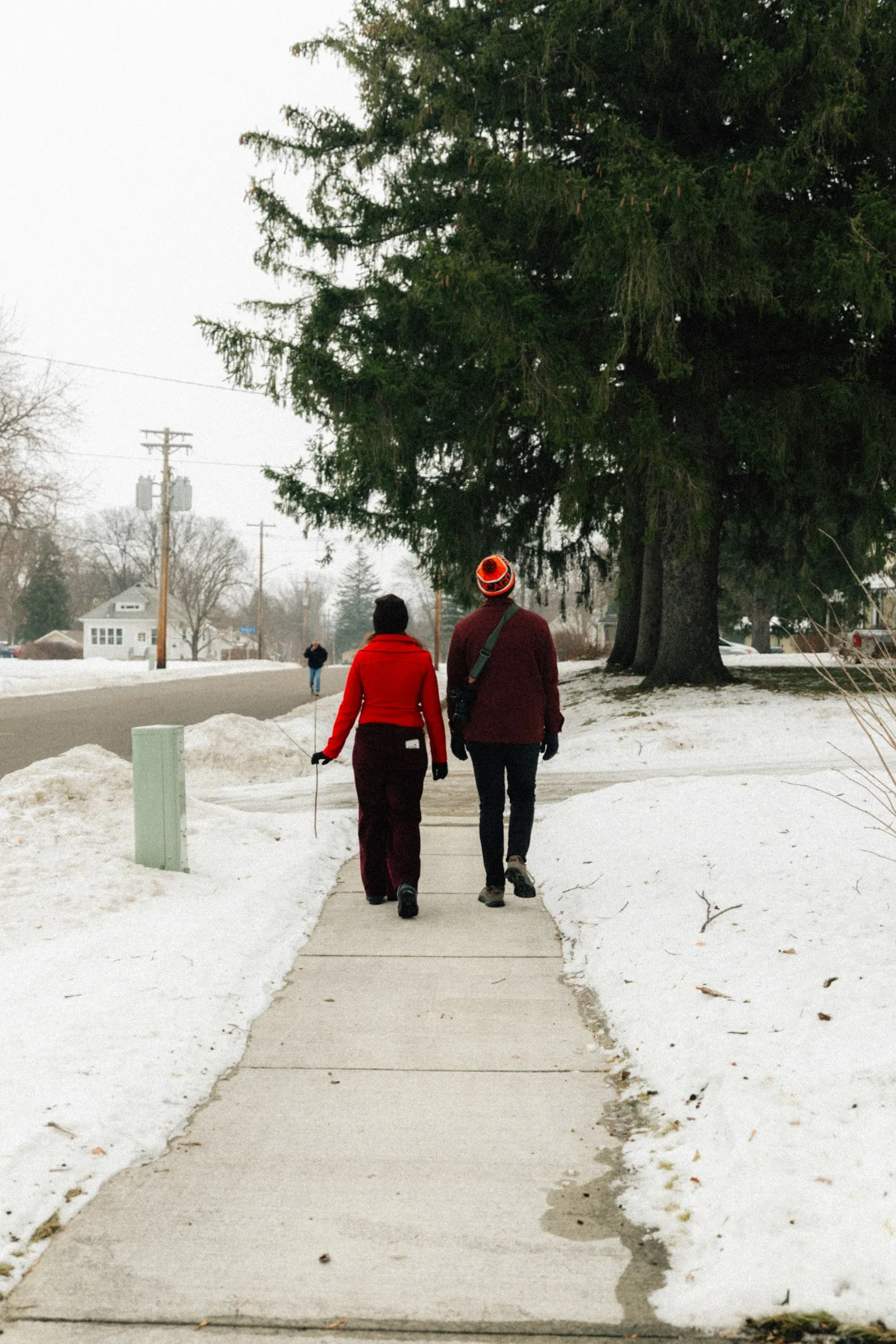
Start with morning light. Open the blinds as soon as they're up. Have breakfast by the brightest window. If school is walkable, walking even part of the way gets them outside in daylight. On weekends, a short walk before noon counts.
Keep wake-up times steady, even on weekends. It's tempting to let a tired teen sleep until 1 pm on Saturday. Unfortunately, that shifts the body clock later and makes Monday morning even harder. Aim for a weekend wake-up time within about two hours of the school-day one.
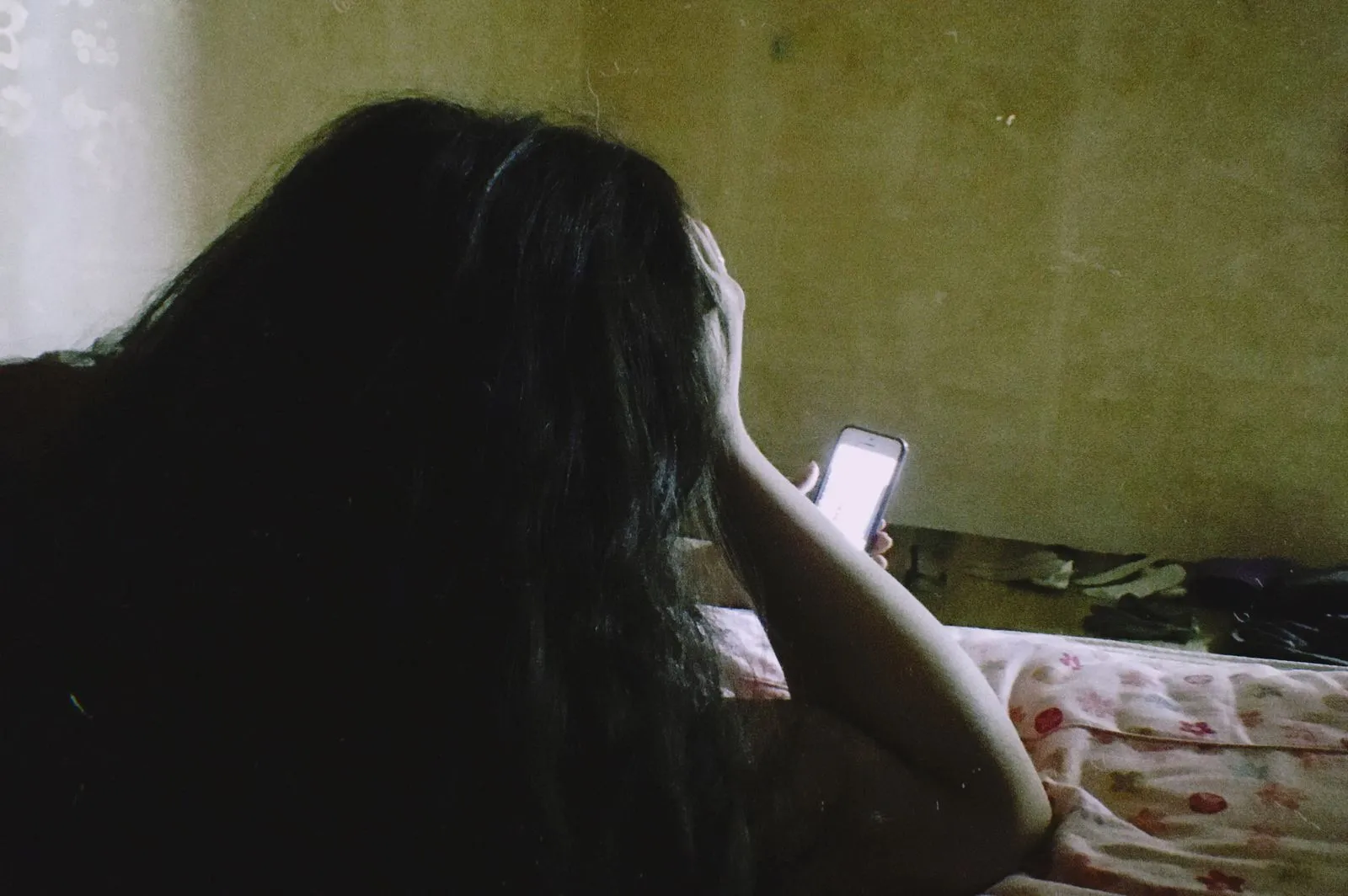
Protect the evening wind-down. Bright screens late at night push the body clock even later. You don't need to ban phones. Agreeing on a time when devices leave the bedroom works better than a battle every night. If screens are already a flashpoint in your home, our article on social media and teen mental health has practical ideas.
Plan things before they shut down. When mood drops, motivation goes first. Don't wait for your teen to feel like doing something. Put small, specific plans on the calendar (a Saturday skate, a friend over for pizza, a weekly climbing session). In therapy, this is called behavioural activation, and it's one of the most effective tools for depression. Action tends to come before motivation, not after.
Get them moving in daylight. Midday is the brightest part of a winter day. A lunchtime walk, recess outdoors, or a weekend hike when the sun is out does double duty with movement and light.
Connect without interrogating. "What's wrong with you?" shuts teens down. Side-by-side time works better (a car ride, cooking together, walking the dog). If connection has gotten harder, see our ideas on strengthening the parent-teen bond.
Name the pattern out loud. Some teens are relieved to hear, "I've noticed you seem to have a harder time every winter. That's a real thing, and it's not your fault." It turns "something is wrong with me" into "this is something we can work on."
Do SAD lamps work for teenagers?
Light therapy is one of the best-studied treatments for seasonal depression, and there is research in young people specifically.
In a controlled trial with 28 children and teens aged 7 to 17, bright light therapy (combined with a dawn simulator) significantly reduced depression symptoms compared with a placebo light. Most families said the light therapy phase was when their child felt best.[3]
A few important points before you buy one:
- Talk to your family doctor before you buy one. Light therapy isn't right for everyone. It needs extra care for teens with bipolar disorder, certain eye conditions, or who take medications that increase light sensitivity.
- Use a device made for SAD. A regular bright desk lamp is not the same thing. Light boxes designed for SAD deliver a specific brightness and filter out UV light.
- Use it in the morning. Light therapy usually works best then, and using it late in the day can push the body clock later and interfere with sleep.
- Treat it as one tool, not the whole plan. A light box can help with energy and mood, but it doesn't teach a teen how to handle the negative thinking, withdrawal, and stress that come with depression. That's where therapy comes in.
How therapy helps (and why it lasts)
The most effective talk therapy for seasonal depression is cognitive behavioural therapy (CBT). CBT for SAD focuses on two things:
- On the behaviour side, building a winter plan with activities, routines, and social contact that keep mood up, even on days when motivation is low.
- On the thinking side, noticing and shifting the patterns that drag mood down, such as "I hate winter, everything is terrible until April," or "Nobody wants to hang out with me anyway."
Here's what stands out in the research: in a study comparing CBT and light therapy for SAD, both worked about equally well during the first winter after treatment. But two winters later, the people who had done CBT had fewer relapses (27% compared with 46%) and more of them were fully well (68% compared with 45%).[4] That study was done with adults, but it points to something we see with teens too. Light therapy helps while you use it. CBT teaches skills your teen keeps.
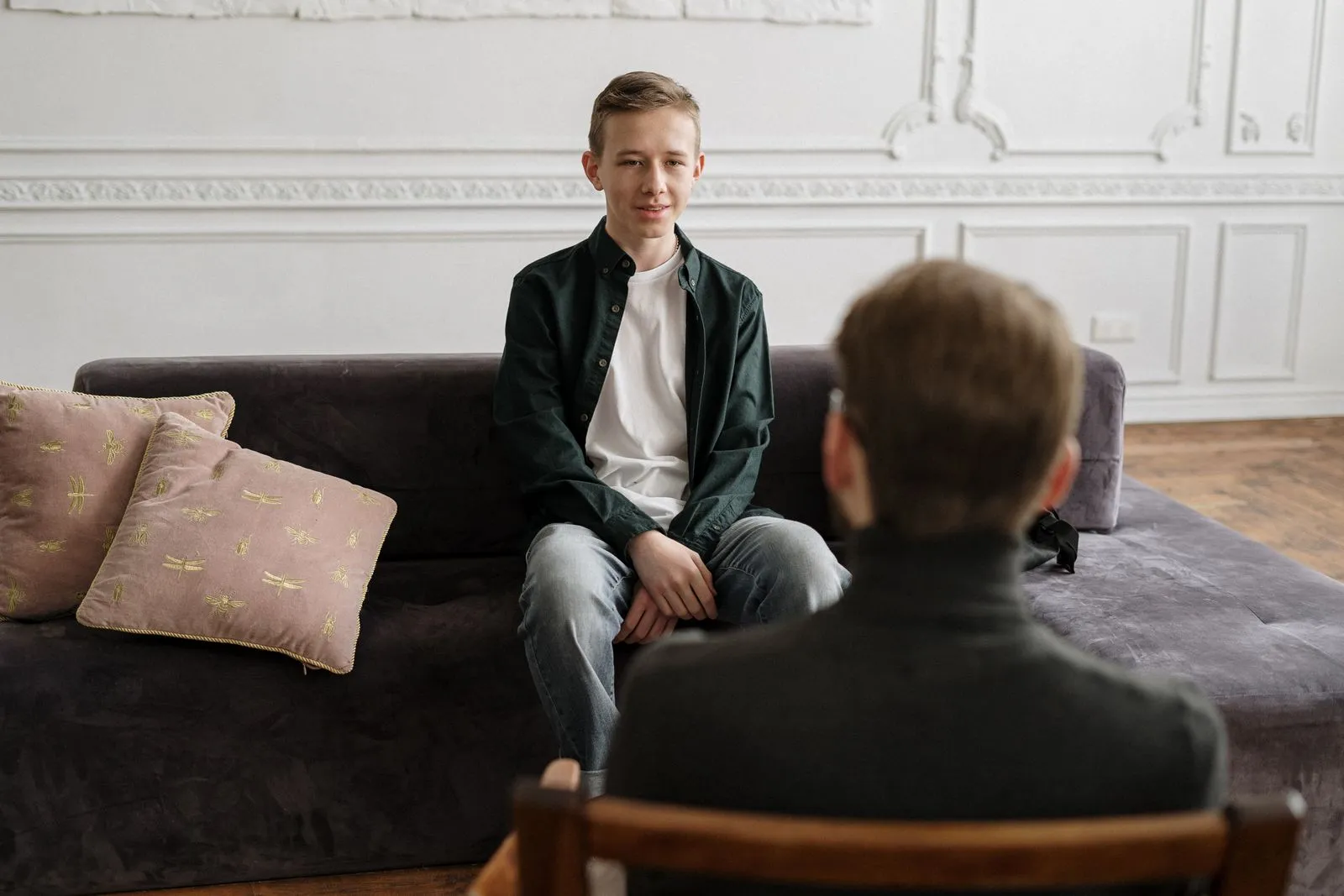
At Young Sprouts Therapy, therapy for a teen with seasonal depression usually includes:
- A proper assessment, so we understand whether this is seasonal, what else might be going on (such as anxiety or ongoing stress), and how much it's affecting daily life
- CBT tailored to teens, with practical tools they'll actually use
- A winter plan built with your teen, so next fall they're ahead of the slump instead of caught by it
- Support for parents, so you know how to encourage without nagging and when to step back
- Coordination with your family doctor when light therapy or medication may be part of the plan
If your teen is resistant to the idea, you're not alone. Our article on what to do when your teen refuses therapy walks through how to raise it without a fight.
When to get help right away
Book a consultation with a therapist if your teen:
- Has been low, irritable, or withdrawn for more than two weeks.
- Is falling behind at school or avoiding it.
- Has stopped seeing friends or doing things they love.
- Went through the same slump last winter.
- Is using alcohol, cannabis, or vaping to cope.
If your teen talks about wanting to die, hurting themselves, or feeling like a burden, don't wait for an appointment.
If you're worried about your teen's safety right now
- Call or text 9-8-8 (Suicide Crisis Helpline, 24/7)[5]
- Call Kids Help Phone at 1-800-668-6868 or text CONNECT to 686868 (24/7, for young people)[6]
- Call 911 or go to your nearest emergency department if there is immediate danger
Frequently asked questions
Can teenagers get seasonal depression?
Yes. Research estimates that between 1.7% and 5.5% of children and teens aged 9 to 19 may have seasonal affective disorder, with higher rates in older teens and in girls after puberty.[1]
What are the signs of seasonal depression in a teenager?
The most common signs are irritability, oversleeping, low energy, pulling away from friends, craving carbs, trouble concentrating, and losing interest in activities. The key clue is timing. Symptoms start in the fall, last through winter, and ease in spring, often year after year.
How is SAD different from the winter blues?
The winter blues are mild and don't get in the way of daily life. Seasonal depression is stronger and affects school, friendships, sleep, and mood for weeks at a time. If your teen's functioning has changed, it's more than the blues.
Why is my teen so tired and moody in the winter?
Teens' body clocks naturally run later, and dark winter mornings make it harder to wake up and feel alert. Some extra tiredness is normal. If it comes with low mood, withdrawal, or slipping grades, it may be seasonal depression and is worth checking out.
Are SAD lamps safe for teenagers?
Light therapy has been studied in children and teens and has shown benefits for seasonal depression.[3] Check with your family doctor before starting, use a device designed for SAD, and use it in the morning.
Can a teen get seasonal depression in the summer?
Yes, although it's much less common. A small number of people have a summer pattern, with symptoms that are more likely to include poor sleep, restlessness, and low appetite.
Will my teen grow out of seasonal depression?
Some teens have milder winters as they get older, but many don't without support. Learning skills through therapy, such as CBT, can lower the chances of it coming back in future winters.[4]
Does Young Sprouts offer therapy for teens with seasonal depression?
Yes. We offer teen therapy and depression therapy in person at our Thornhill office, serving families in Vaughan, Richmond Hill, Markham, and North York, and online across Ontario.
Getting ahead of this winter
If this article described your teen, the good news is that seasonal depression is predictable. That means you can plan for it. Starting support in the fall, before the darkest weeks, gives your teen the best chance of getting through the winter feeling like themselves.
Our therapists work with teens and parents in Thornhill, Vaughan, and across York Region, in person and online.
Book a free 15-minute consultation and we'll help you figure out what your teen needs.
References
- Swedo SE, Pleeter JD, Richter DM, et al. Rates of seasonal affective disorder in children and adolescents. American Journal of Psychiatry. 1995;152(7):1016-1019. https://ohsu.elsevierpure.com/en/publications/rates-of-seasonal-affective-disorder-in-children-and-adolescents
- Crowley SJ, Acebo C, Carskadon MA. Sleep, circadian rhythms, and delayed phase in adolescence. Sleep Medicine. 2007;8(6):602-612. https://www.sciencedirect.com/science/article/abs/pii/S1389945706007076
- Swedo SE, Allen AJ, Glod CA, et al. A controlled trial of light therapy for the treatment of pediatric seasonal affective disorder. Journal of the American Academy of Child and Adolescent Psychiatry. 1997;36(6):816-821. https://www.sciencedirect.com/science/article/abs/pii/S0890856709665084
- Rohan KJ, Meyerhoff J, Ho SY, et al. Outcomes one and two winters following cognitive-behavioral therapy or light therapy for seasonal affective disorder. American Journal of Psychiatry. 2016;173(3):244-251. https://psychiatryonline.org/doi/10.1176/appi.ajp.2015.15060773
- 9-8-8 Suicide Crisis Helpline. https://988.ca/
- Kids Help Phone. https://kidshelpphone.ca/
Daylight figures are calculated for Thornhill, Ontario for the 2026-2027 season and are approximate.
This article is for general information and is not a substitute for professional assessment or medical advice.