
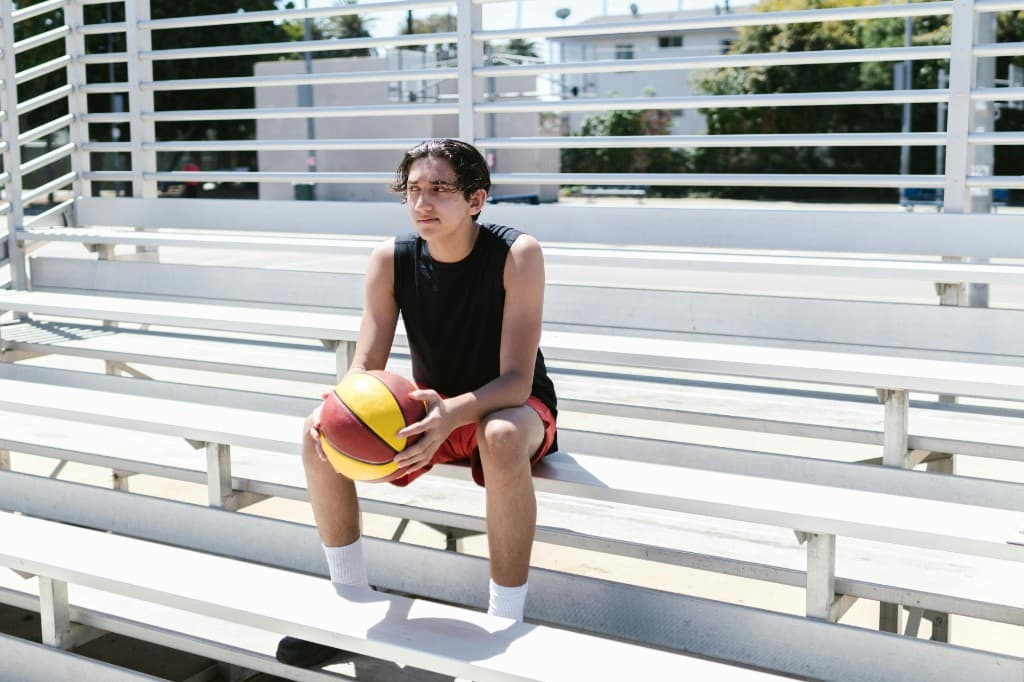
Watching your teen athlete struggle with nerves they can't control is painful — but performance anxiety is one of the most common and most treatable challenges young athletes face. This parent's guide walks you through what's happening, what helps, and when to bring in a therapist.
Your teenager is electric in practice. They drain shot after shot, move with confidence, look like they were born for the game. Then game day arrives and something changes. Their shoulders tighten, their stomach turns, and the athlete you watched all week seems to disappear. If this sounds familiar, you are not imagining it, and your teen is not "soft" or "not trying hard enough." They are likely experiencing performance anxiety in teen athletes — one of the most common and most treatable challenges young athletes face.
As a parent, watching your child struggle with nerves they cannot control is painful. The good news is that performance anxiety responds well to the right support, and much of that support can start at home. This guide will help you understand what is happening, recognize the signs, avoid the well-meaning mistakes that make it worse, and know when it is time to reach out for professional help.
Just how common is anxiety in this age group? Anxiety is one of the most frequently diagnosed mental health conditions in children and adolescents — about 8.6% of 6–11-year-olds and 13.7% of 12–17-year-olds report lifetime anxiety problems, according to U.S. National Survey of Children's Health data cited in a recent clinical practice review on sport-related performance anxiety in young athletes published in Translational Pediatrics. The same review found that even sub-threshold symptoms warrant attention, that performance anxiety is distinct from ordinary pre-competition jitters in the level of distress and functional impairment it causes, and that individual-sport athletes — along with those high in perfectionism or with a strong "athlete identity" — are at particular risk. That profile fits many of the teens we see in our practice.
Key Takeaways
| Nerves ≠ anxiety | A normal level of nerves sharpens performance; anxiety disrupts it. |
| Four signs to watch | Performance anxiety shows up in the body, mind, emotions, and behaviour. |
| Less coaching, more presence | Sideline shouting and outcome-focused praise often deepen the problem. |
| The car ride home matters | "I love watching you play" beats any post-game analysis. |
| Therapy works | CBT and mental-skills training have strong evidence for teen athletes. |
What Is Sports Performance Anxiety?
Performance anxiety in sport is the intense stress, worry, or fear a young athlete feels before, during, or after competing in front of others. A certain level of nerves is normal and even useful, sharpening focus and readiness. The problem begins when that activation tips over into something that interferes with how your teen plays, feels, and enjoys their sport. (Our clinical overview of what performance anxiety looks like in sport goes deeper into the diagnostic picture.)
Researchers describe performance anxiety as showing up across four connected areas:
- The body — racing heart, nausea, shaky hands, shallow breathing
- The mind — racing or catastrophic thoughts ("I'm going to choke"), difficulty concentrating
- The emotions — dread, irritability, a sense of being overwhelmed
- Behaviour — avoiding practice, making excuses, or "freezing" in key moments
When you understand it this way, your teen's experience stops looking like a character flaw and starts looking like what it actually is: a nervous system that has learned to treat competition as a threat.
Why Teen Athletes Are Especially Vulnerable
Adolescence is already a period of enormous change, and the modern youth sports landscape adds pressure that previous generations never faced. Several factors make teens particularly susceptible to sports performance anxiety in teens.
Early specialization means many kids now focus on a single sport year-round, raising the stakes of every game and leaving little room for the play and variety that build resilience. Social comparison, supercharged by social media, lets teens measure themselves against highlight reels of peers and pros around the clock. Perfectionism, common among driven young athletes, turns every mistake into evidence of failure rather than a normal part of learning.
Perhaps most importantly, sport can become wrapped up in a teen's sense of identity and worth. When a young person believes "I am only valuable if I perform," a single bad game stops being just a bad game and starts to feel like a verdict on who they are. That is a heavy load for any 14-year-old to carry onto a field.
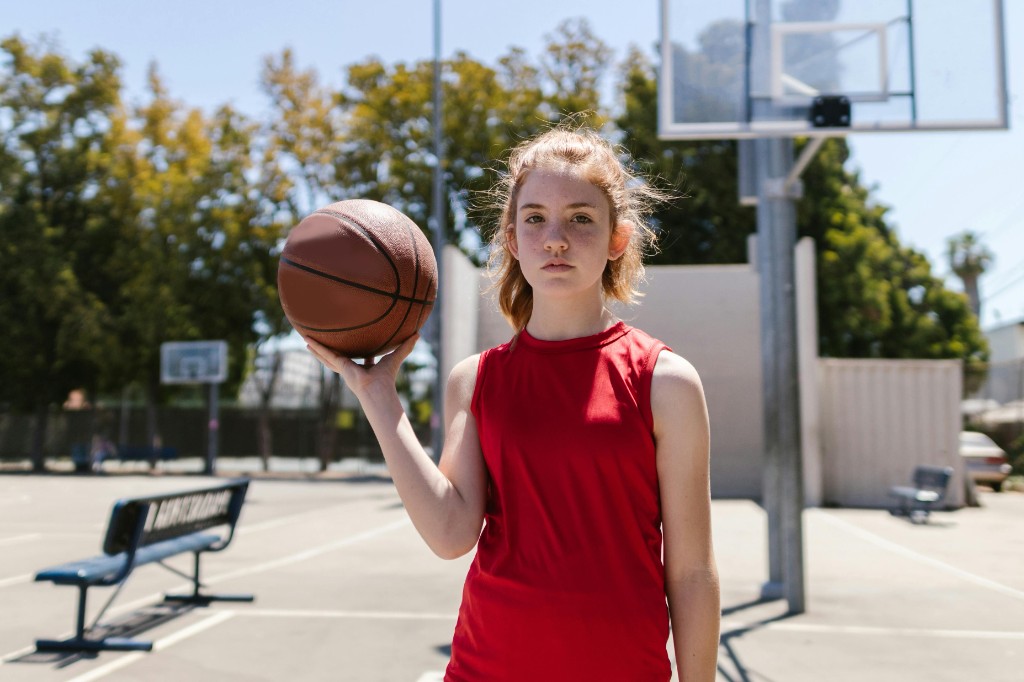
Signs of Performance Anxiety in Your Teen Athlete
Performance anxiety does not always announce itself. Many teens hide it, especially boys who fear looking weak in front of teammates. Knowing the signs of sports anxiety helps you respond early.
Physical signs
Watch for stomachaches, headaches, nausea, or trouble sleeping the night before competition. You might notice a racing heart, trembling, tense muscles, or complaints of feeling "sick" that mysteriously fade once the event is cancelled or over.
Mental and emotional signs
Listen for harsh self-talk ("I always mess up," "everyone's watching me"), an obsessive focus on outcomes, or difficulty concentrating. Your teen may seem unusually irritable, withdrawn, or tearful in the hours leading up to a game.
Behavioural signs
The most telling sign is often avoidance. A teen who suddenly wants to skip practice, invents reasons not to play, downplays a sport they once loved, or visibly underperforms only in competition — while shining in practice — may be protecting themselves from the anxiety competition triggers. If your teen athlete freezes during games but plays freely in practice, performance anxiety is almost always the explanation.
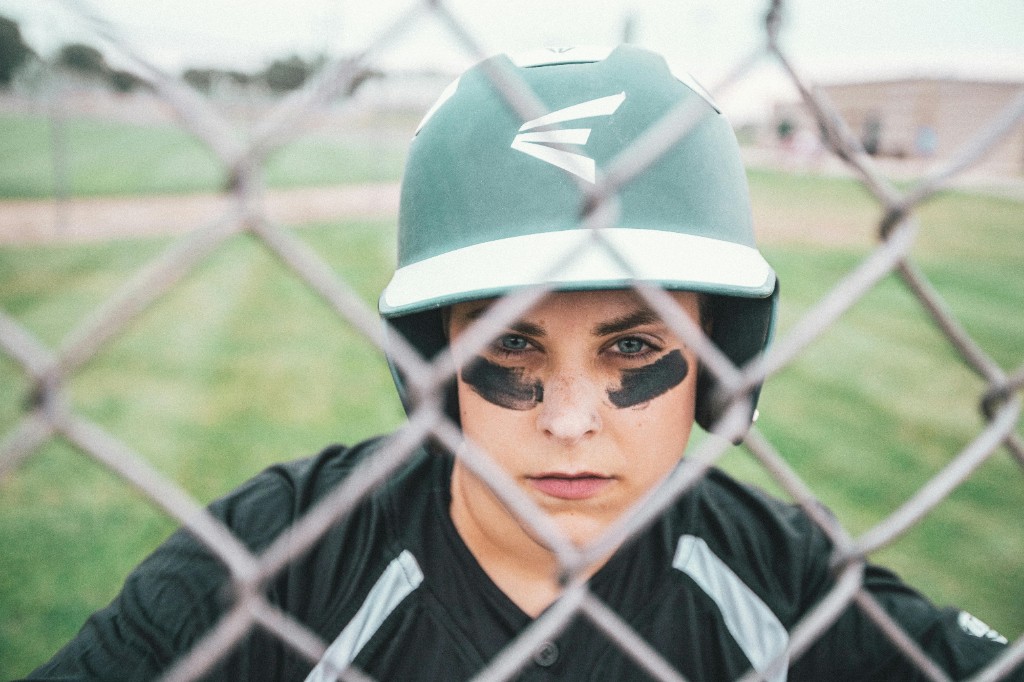
Ordinary pre-game jitters
- Fade once play begins
- Don't disrupt sleep or mood
- Recover quickly after a mistake
- Don't interfere with loving the sport
Performance anxiety
- Lingers throughout the game
- Disrupts sleep, appetite, or focus
- Mistakes spiral into bigger struggles
- Makes your teen want to quit
A useful rule of thumb: ordinary nerves fade once play begins. Pre-game anxiety in a teenager that lingers, disrupts daily life, or makes your teen want to quit something they genuinely care about points to something more.
What Not to Do (Even With the Best Intentions)
Parents rarely cause performance anxiety, but a few common habits can unintentionally feed it. Recognizing them is half the battle.
⚠ Common parent habits that backfire
These feel supportive in the moment but tend to raise — not lower — the emotional stakes of competition.
Constant sideline coaching
Shouting instructions throughout a game, however encouraging it feels to you, pulls your teen out of the present moment and signals that you are evaluating every play. Many young athletes report that a parent's voice from the stands is the single biggest source of their stress.
Leading with results
When the first question after a game is "Did you win?" or "How many points did you score?", you quietly teach your teen that outcomes matter more than effort. Tying praise to performance ("I'm so proud you won") rather than process ("I loved how hard you competed") raises the emotional stakes of every contest.
Dismissing the anxiety
"Just relax," "it's only a game," "you're fine" — these tend to backfire. Your teen already knows they "shouldn't" feel this way, and being told to relax rarely helps anyone actually relax.
How to Support Your Teen Athlete at Home
The shift from making things worse to making things better is often smaller than parents expect. These strategies for how to help your teen athlete with nerves are simple, but powerful when applied consistently.
Become a quiet, steady presence
Aim to watch and enjoy rather than instruct. Save your feedback for moments your teen invites it. A reliable, low-pressure presence in the stands tells your athlete that your love does not hinge on the scoreboard.
Praise the process, not the result
Notice effort, courage, recovery from mistakes, and good decisions — regardless of whether the play succeeded. Over time this rewires what your teen believes "success" means.
Master the car ride home
This moment carries surprising weight. Resist the urge to analyze the game. Try a simple, warm opener like "I love watching you play" — and then let your teen lead. Many athletes say the silent, judgment-free ride home is exactly what they need.
Teach simple regulation tools
Calming the nervous system is a skill. Box breathing — inhale for four counts, hold for four, exhale for four, hold for four — before a game can settle a racing heart. So can a consistent pre-game routine, which gives an anxious brain something predictable to hold onto.
Reframe nerves as readiness
Help your teen understand that a pounding heart and butterflies are their body getting ready to perform, not a sign that something is wrong. The same physical sensations underlie both anxiety and excitement; the story we tell about them makes the difference.
Keep perspective alive
Gently remind your teen, and yourself, that one game holds no weight on their future or their worth. Athletes who can separate their identity from their statistics are far more resilient under youth sports pressure.
Save This: What to Say Before a Game
"I love watching you play.
Have fun out there.
However it goes, we'll grab dinner after."
Warm, brief, pressure-free. Save tactical feedback for moments your teen actually asks for it. This is the simple answer to almost every question about what to say to your child before a game.
When to Seek Professional Support
Home strategies help many teens, but some need more. Consider reaching out to a therapist if:
- The anxiety is intense or long-lasting
- It is interfering with sleep, school, mood, or friendships
- Your teen is talking about quitting a sport they love purely because of nerves
- You are seeing avoidance that home support has not shifted
There is no need to wait for a crisis. Earlier support is easier support, and you do not need a formal diagnosis to begin anxiety therapy for children and teens. Canadian families can also start with parent-facing, evidence-based education from AnxietyCanada — a national non-profit focused on free, clinician-reviewed anxiety resources for kids, teens, and parents.
How Therapy Helps Young Athletes
Working with a therapist gives your teen tools that go well beyond the field. Cognitive behavioural therapy is the most evidence-backed approach for performance anxiety — the 2025 clinical practice review in Translational Pediatrics identifies CBT as the first-line psychological treatment for sport-related anxiety in young athletes. CBT helps teens identify the distorted thoughts that fuel their stress and replace them with more accurate, helpful ones. Newer "third-wave" approaches such as acceptance and commitment therapy and mindfulness-based training teach athletes to make room for nerves rather than fight them — and in at least one randomized trial cited by that same review, a mindfulness intervention outperformed traditional CBT for sports performance anxiety. Therapists also build practical mental-skills training — visualization, goal-setting, arousal regulation, and self-talk — that athletes can use for the rest of their lives.
Just as valuable, therapy gives your teen a private, judgment-free space to untangle the pressure they are carrying — much of which they may never say out loud at home. The goal is not only a calmer competitor, but a young person who feels good about themselves whether they win or lose. If you are looking for sports anxiety therapy in Ontario, our team works with teen athletes in person and virtually province-wide.

You Don't Have to Navigate This Alone
Performance anxiety is common, understandable, and very treatable. With the right support at home and, when needed, the guidance of a therapist who understands young athletes, your teen can learn to compete with confidence and rediscover why they fell in love with their sport in the first place.
At Young Sprouts Therapy, our clinicians work with children and teens across Ontario — in person from our Vaughan and Thornhill offices and virtually province-wide — to help young athletes manage anxiety and perform like themselves again.
Frequently Asked Questions
Is it normal for my teenager to get nervous before games?
Yes. Some nerves are healthy and help athletes focus and prepare. The concern is when nerves become intense, persist into the game, disrupt sleep or mood, or make your teen want to avoid a sport they love. That points to performance anxiety rather than ordinary jitters.
What should I say to my teen before a game?
Keep it warm, brief, and pressure-free. Simple phrases like "I love watching you play" or "Have fun out there" work better than instructions or expectations. Save any tactical feedback for moments your teen actually asks for it.
My teen plays great in practice but freezes in games. Why?
This is a classic sign of performance anxiety. In practice there is no audience and low stakes, so the nervous system stays calm. In competition, the perceived threat of being judged activates a stress response that interferes with skills the athlete clearly has. The good news is that this responds very well to support and therapy.
Can performance anxiety be treated?
Absolutely. Performance anxiety is one of the most treatable mental health challenges in young athletes. Approaches like cognitive behavioural therapy, mental-skills training, and acceptance-based strategies have strong evidence behind them — see the 2025 clinical practice review in Translational Pediatrics — and many teens see meaningful improvement.
When should I take my teen to a therapist for sports anxiety?
Consider professional support if the anxiety is severe or ongoing, affects sleep, school, mood, or friendships, leads your teen to want to quit, or has not improved with support at home. You do not need to wait for things to reach a breaking point, and you do not need a diagnosis to start anxiety therapy for children and teens.
Help Your Teen Athlete Compete With Confidence
Our team works with teen athletes in Thornhill, Vaughan, and Ontario-wide via virtual therapy. If pre-game anxiety is interfering with your teen's sport — or with their life — we can help.
Book a Free Consultation →